
Being struck by a vehicle as a pedestrian is one of the most frightening and physically devastating experiences a person can endure. Unlike drivers and passengers who have a vehicle structure absorbing impact, pedestrians are completely exposed. The injuries are often severe, the medical bills climb quickly, and the path to financial recovery can feel impossibly confusing. If you or a loved one has been hit by a car while walking in Connecticut, understanding who is responsible for paying your damages is essential to getting the help you need.
How Connecticut Determines Fault in Pedestrian Accidents
Connecticut follows a fault-based system when it comes to motor vehicle accidents involving pedestrians. This means the party responsible for causing the accident is also responsible for covering the injured person’s losses. However, determining fault is rarely as simple as it sounds.
Drivers in Connecticut have a legal duty to exercise reasonable care and watch for pedestrians, especially at crosswalks and intersections. State law requires drivers to yield to pedestrians who are lawfully crossing the road. When a driver fails to yield, runs a red light, speeds through a residential neighborhood, or drives while distracted, that driver can be held liable for injuries caused to a pedestrian.
That said, fault does not always fall entirely on the driver. Connecticut uses a modified comparative negligence rule, which means both parties can share responsibility for the accident. If a pedestrian was jaywalking, crossing against a signal, or walking while distracted by a phone, their share of fault will be evaluated. Under Connecticut law, a pedestrian can still recover compensation as long as their percentage of fault does not exceed the driver’s. If the pedestrian is found to be more than 50 percent at fault, they lose the right to recover damages entirely.
Sources of Compensation for Injured Pedestrians
Understanding where the money comes from after a pedestrian accident helps you plan your recovery and set realistic expectations. Several potential sources of compensation exist in Connecticut, depending on the circumstances of your case.
The driver’s auto liability insurance is typically the primary source of compensation. Connecticut requires all drivers to carry minimum liability coverage, which applies to injuries caused to others, including pedestrians. When a driver is at fault, their insurance company is responsible for covering the pedestrian’s medical expenses, lost wages, pain and suffering, and other damages up to the policy limits.
Uninsured or underinsured motorist coverage becomes critical when the at-fault driver has no insurance or not enough insurance to cover your losses. If you carry your own auto insurance policy with uninsured or underinsured motorist (UM/UIM) coverage, you can file a claim through your own insurer. This is one of the most overlooked protections available to Connecticut pedestrians who also own vehicles.
Medical payments coverage, also known as MedPay, is another option if it is included in your own auto policy. MedPay covers medical expenses regardless of who caused the accident, making it a valuable tool for covering immediate treatment costs while a larger liability claim is still being resolved.
Third-party liability may also apply in certain situations. For example, if a poorly maintained road, a malfunctioning traffic signal, or a hazardous sidewalk condition contributed to the accident, a municipality or property owner could share liability. If a commercial vehicle was involved, the driver’s employer might also bear responsibility.
Common Injuries and the Damages You Can Recover
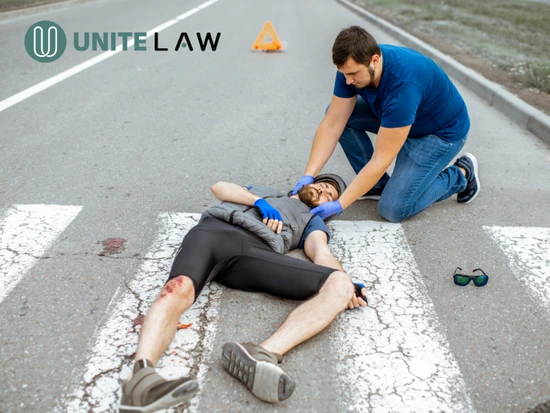
Pedestrian accidents tend to produce more serious injuries than typical vehicle collisions because the human body has no protection against the force of a moving car. Broken bones, traumatic brain injuries, spinal cord damage, internal organ injuries, and severe lacerations are all common outcomes. Many victims require multiple surgeries, long-term rehabilitation, and ongoing medical care that extends well beyond the initial hospital stay.
Connecticut law allows injured pedestrians to pursue compensation for both economic and non-economic damages. Economic damages include medical bills, future medical expenses, lost income, and reduced earning capacity. Non-economic damages cover pain and suffering, emotional distress, loss of enjoyment of life, and permanent disability or disfigurement.
A personal injury lawyer evaluates the full scope of your damages to ensure that every category of loss is accounted for. Insurance companies frequently attempt to minimize claims by focusing only on immediate medical costs while ignoring long-term consequences. Having legal representation ensures that future expenses and quality-of-life impacts are factored into your demand.
Why Insurance Companies Make Pedestrian Claims Difficult
Insurance adjusters handling pedestrian accident claims have one goal: to pay as little as possible. They accomplish this through several tactics that catch unrepresented claimants off guard.
One common strategy is to argue that the pedestrian shared a significant portion of the fault. Because Connecticut’s comparative negligence law reduces your compensation by your percentage of fault, even a small increase in your assigned blame can cost you thousands of dollars. Insurers also use recorded statements against claimants, request unnecessary medical authorizations to dig through your health history, and pressure you to accept quick settlements before the true extent of your injuries is known.
A personal injury lawyer understands these tactics and knows how to counter them effectively. From managing communication with the insurance company to building a strong evidence package that supports your version of events, legal representation levels the playing field and protects you from being taken advantage of during an already difficult time.
Steps to Take After Being Hit by a Car in Connecticut
If you are physically able after a pedestrian accident, there are several actions that can strengthen your claim. Call 911 immediately to ensure that police respond and create an official accident report. Seek medical attention right away, even if you believe your injuries are minor, because many serious conditions present delayed symptoms. Collect the driver’s name, contact information, insurance details, and license plate number. Take photos of the accident scene, your injuries, and any road conditions or signals that are relevant. Get contact information from any witnesses who saw what happened. Most importantly, do not give recorded statements or accept any settlement offers from the driver’s insurance company before consulting with a personal injury lawyer.
How a Personal Injury Lawyer Strengthens Your Pedestrian Accident Claim
Pedestrian accident cases require thorough investigation, expert testimony, and a clear presentation of liability and damages. A personal injury lawyer handles every aspect of your claim so you can focus entirely on your physical recovery. This includes gathering surveillance footage, analyzing police reports, consulting with accident reconstruction experts, and negotiating aggressively with insurers who refuse to offer fair compensation. When negotiations fail, your attorney is prepared to take your case to trial.
Take Action to Protect Your Rights Today
If you were injured as a pedestrian in Connecticut, the decisions you make in the days and weeks following the accident will shape the outcome of your claim. Acting quickly preserves evidence, meets legal deadlines, and puts you in the strongest possible position to recover full compensation.
Unite Law LLC has the experience and dedication Connecticut pedestrian accident victims need. Their legal team fights to hold negligent drivers accountable and works tirelessly to secure the compensation you deserve for your injuries, your lost income, and your suffering. Contact Unite Law LLC today at 203 875 0201 for a free consultation and let an experienced personal injury lawyer start building your case.
Frequently Asked Questions
Who is liable when a pedestrian is hit by a car in Connecticut? In most cases, the driver who caused the accident is liable. However, Connecticut’s comparative negligence law means fault can be shared. If the pedestrian was partially at fault, their compensation is reduced by their percentage of responsibility. A pedestrian who is more than 50 percent at fault cannot recover damages.
Can I still get compensation if I was jaywalking when I was hit? Yes, you may still recover compensation even if you were not in a crosswalk. Connecticut’s comparative negligence system allows injured pedestrians to collect damages as long as their share of fault does not exceed 50 percent. The amount you receive will be reduced proportionally based on your assigned level of responsibility.
What if the driver who hit me doesn’t have insurance? If the at-fault driver is uninsured, you may be able to file a claim under your own auto insurance policy’s uninsured motorist coverage. This coverage is designed to protect you when the responsible party lacks adequate insurance. Speaking with a personal injury lawyer can help you identify all available sources of compensation.
How long do I have to file a pedestrian accident claim in Connecticut? Connecticut generally imposes a two-year deadline from the date of the accident for filing a personal injury lawsuit. Missing this deadline can permanently bar you from recovering compensation, so consulting with an attorney as soon as possible after the accident is strongly recommended.What types of damages can a pedestrian recover after being hit by a car? Injured pedestrians in Connecticut can pursue compensation for medical expenses, future treatment costs, lost wages, reduced earning capacity, pain and suffering, emotional distress, and loss of enjoyment of life. The exact damages available depend on the severity of your injuries and the specific circumstances of your case.